
Iranian Universities Appeal to the United Nations to Condemn U.S.–Israeli Attack on Iran
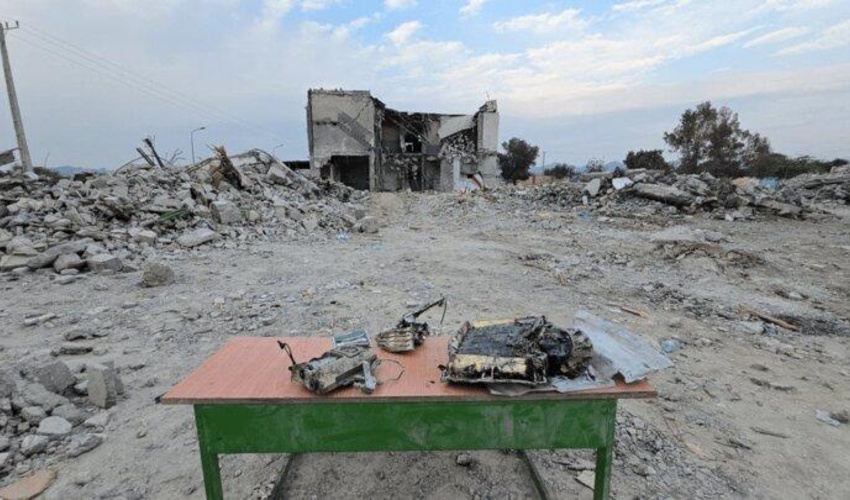
In the aftermath of what has been described by Iranian academics as a “brutal and unprecedented assault” by the United States and Israel against the Islamic Republic of Iran on February 28, 2026, the heads of 15 leading Iranian universities have jointly issued an open letter to UN Secretary‑General António Guterres, calling for an immediate and unequivocal condemnation of the attack and accountability under international law.
According to the letter, a copy of which was also sent to universities worldwide described as “freedom‑loving academic institutions”, the coordinated airstrikes resulted in the “martyrdom” of Ayatollah Sayyed Ali Khamenei, the late Supreme Leader of Iran, along with members of his family. The attack reportedly claimed the lives of 167 schoolgirls and hundreds of other civilians, including children, women, and the elderly, and led to the destruction of hospitals, educational facilities, and cultural institutions throughout several Iranian cities.
The letter insists that these actions constitute a “grave violation of the United Nations Charter and all principles of international law.” It explicitly cites multiple legal frameworks, including the 1949 Geneva Conventions and their Additional Protocols, the Convention on the Rights of the Child, the Universal Declaration of Human Rights, and the International Covenant on Civil and Political Rights (1966).
Iranian university leaders underscore that the deliberate targeting of civilians, educational institutions, and cultural heritage sites not only breaches humanitarian law but also undermines the foundations of global civilization. They further argue that the assassination of a national leader constitutes a direct violation of UN Security Council resolutions condemning terrorism in all its forms.
Addressing the moral responsibility of the international academic community, the signatories urge universities and scholars worldwide to denounce such aggression and stand in solidarity with Iranian civilians and cultural institutions. They express deep disappointment at what they describe as the “silence of international organizations” and call for urgent multilateral action to prevent the repetition of political assassinations, civilian bombings, and the destruction of human and civilizational infrastructure.
Highlighting that the United States is a signatory to the 1972 World Heritage Convention, the letter asserts that Washington has a legal and moral obligation to protect, not obliterate, cultural and natural heritage sites, including those located in Iran.
Reinforcing Iran’s historical identity, the document recalls the country’s thousands‑year‑old civilization and “persistent pursuit of peaceful coexistence with all nations.” It affirms that, under Article 51 of the UN Charter, Iran retains its inalienable right to self‑defense in response to foreign aggression.
Legal experts and political commentators are expected to scrutinize this communication closely, as it positions Iranian universities at the forefront of an international legal and moral appeal. Observers suggest that if acted upon by the United Nations, the letter could open discussions on potential UN General Assembly resolutions, humanitarian investigations, and demands for accountability under the International Criminal Court (ICC) framework.
The joint letter represents a compelling instance of academic diplomacy, framing the tragedy not only as a human catastrophe but also as a challenge to the international legal order established to prevent such acts of aggression.

Your Comment :