
Achievement by University of Tehran Researchers:
Aromatherapy—A New Hope for Preventing Brain Diseases
According to the Public Relations Office of the University of Tehran, researchers at the University of Tehran's Center for Biochemistry and Biophysics Research, by investigating the effect of volatile compounds from medicinal plants, have obtained promising evidence of the protective role of these compounds against neurological diseases such as Alzheimer's and Parkinson's.
With the aging population increasing, central nervous system disorders such as Alzheimer's and Parkinson's have become a major medical concern. The accumulation of proteins such as amyloid beta and alpha-synuclein in the brain is one of the main causes of these diseases, and drug delivery to the central nervous system remains a fundamental challenge.
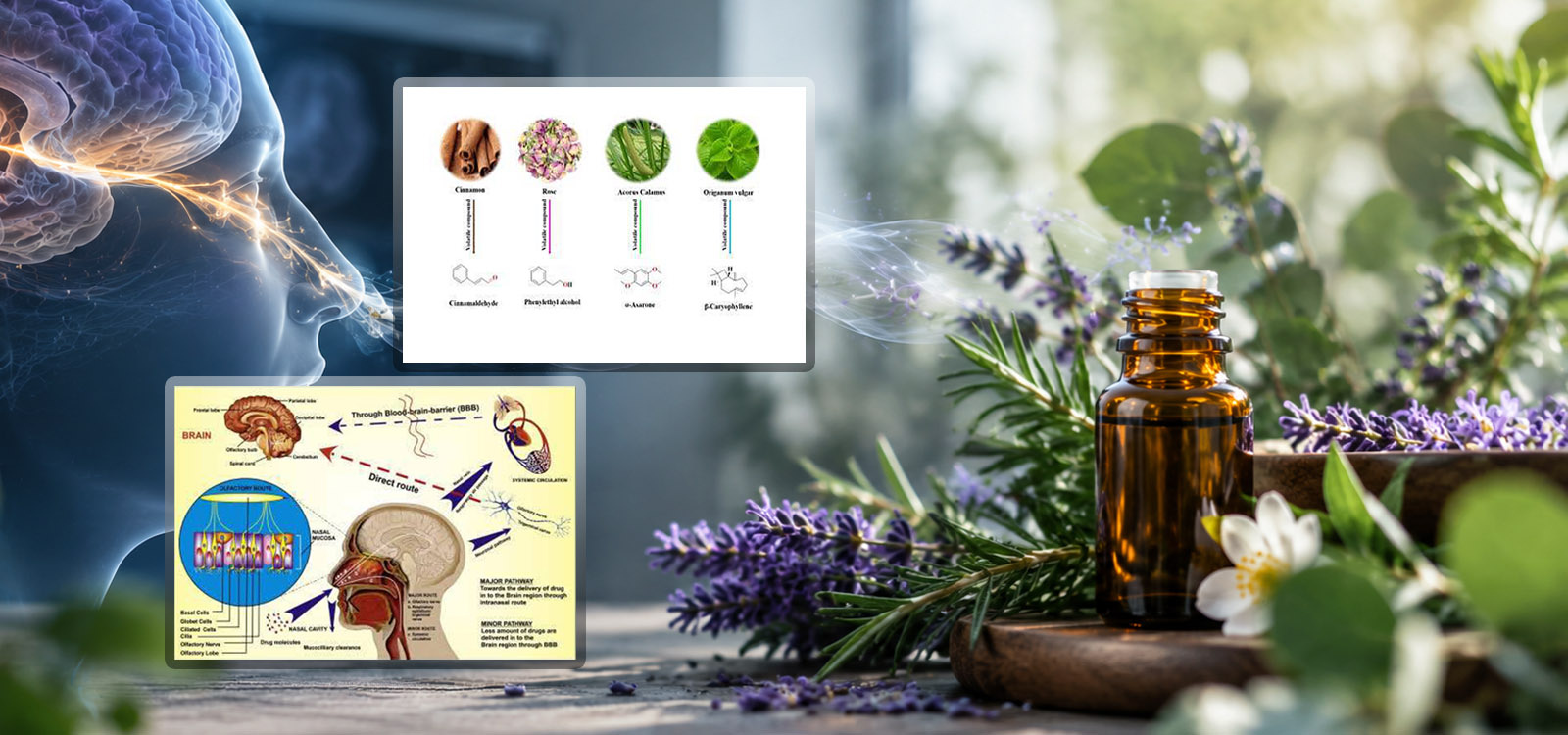
In the Protein Structure and Function Laboratory of the University of Tehran's Center for Biochemistry and Biophysics Research, under the supervision of Dr. Arefeh Seyed Arabi, the effect of volatile compounds extracted from medicinal plants including cinnamaldehyde (cinnamon), phenylethyl alcohol (Damask rose), alpha-asarone (sweet flag), and beta-caryophyllene (mountain thyme) was investigated.
The results showed that these compounds could have potential therapeutic effects in preventing brain diseases. It was also found that the aforementioned compounds prevent the degradation of alpha-synuclein protein with a histidine tag (His-tag); a finding that could provide preliminary evidence supporting the protective role of these compounds against protein disorders associated with neurological diseases.
This achievement is the result of the doctoral dissertation of Zahra Dindar in the field of biochemistry, titled "Aromatherapy: A New Hope for Preventing Brain Diseases," under the supervision of Dr. Arefeh Seyedarabi, Associate Professor in the Department of Biochemistry at the Center for Biochemistry and Biophysics Research.
Part of the results of this research was published in 2025 in the journal ACS Chemical Neuroscience and is accessible.

Your Comment :